facebook
twitter
google

What Is Morton’s Toe?

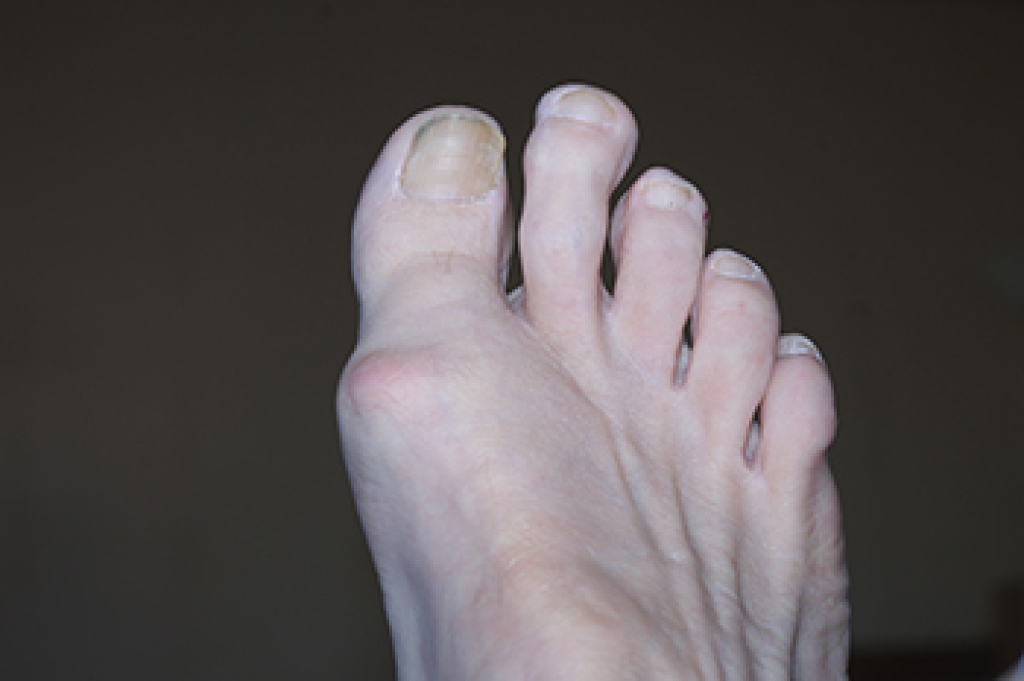
Morton’s toe, also known as Greek foot, is a condition where the second toe is longer than the big toe. While it is often a benign anatomical variation, it can lead to discomfort and pain due to altered foot mechanics. Individuals with Morton’s toe may experience metatarsalgia, which is pain in the ball of the foot, as well as calluses, bunions, and discomfort while walking or standing. Treatment typically begins with conservative measures, such as wearing supportive footwear, using orthotic inserts, and practicing foot stretches. However, if pain persists or worsens, it is important to consult a podiatrist. This type of doctor may recommend more advanced treatments, including targeted exercises or, in severe cases, surgery to alleviate pain and correct alignment issues. If you suspect you have Morton’s toe and are experiencing discomfort, it is suggested you schedule an appointment with a podiatrist for a thorough assessment and tailored treatment options.

Morton’s neuroma is a very uncomfortable condition to live with. If you think you have Morton’s neuroma, contact one of our podiatrists of New York, NY. Our doctors will attend to all of your foot care needs and answer any of your related questions.  

Morton’s Neuroma

Morton's neuroma is a painful foot condition that commonly affects the areas between the second and third or third and fourth toe, although other areas of the foot are also susceptible. Morton’s neuroma is caused by an inflamed nerve in the foot that is being squeezed and aggravated by surrounding bones.

What Increases the Chances of Having Morton’s Neuroma?

  • Ill-fitting high heels or shoes that add pressure to the toe or foot
  • Jogging, running or any sport that involves constant impact to the foot
  • Flat feet, bunions, and any other foot deformities

Morton’s neuroma is a very treatable condition. Orthotics and shoe inserts can often be used to alleviate the pain on the forefront of the feet. In more severe cases, corticosteroids can also be prescribed. In order to figure out the best treatment for your neuroma, it’s recommended to seek the care of a podiatrist who can diagnose your condition and provide different treatment options.

If you have any questions, please feel free to contact our office located in New York, NY . We offer the newest diagnostic and treatment technologies for all your foot care needs.
Read more about What is Morton's Neuroma?

What Is a High Ankle Sprain?

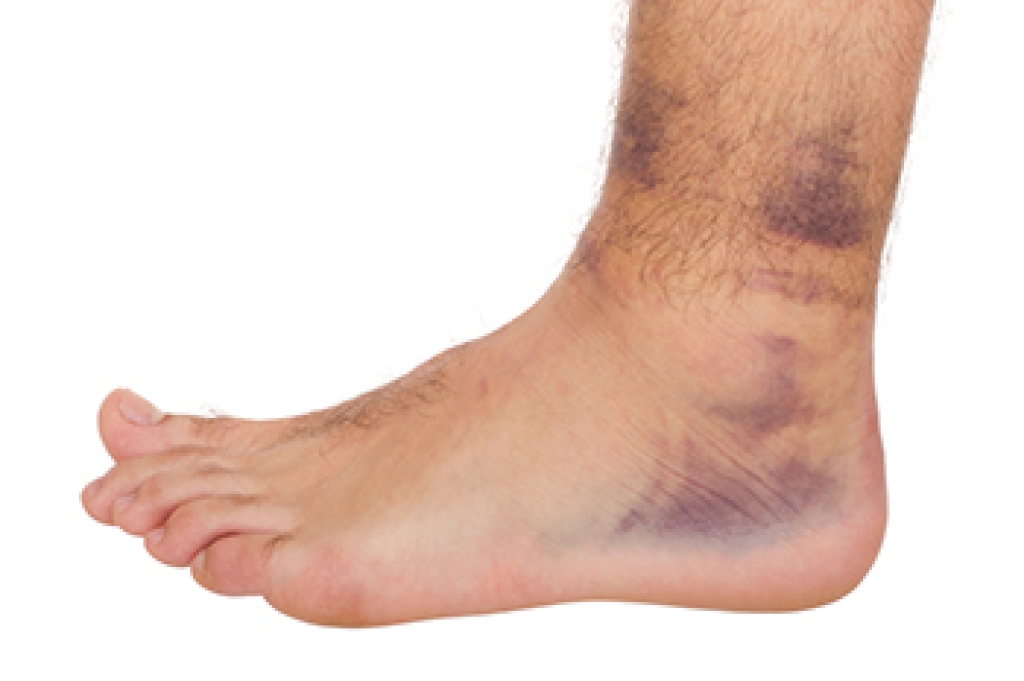
A high ankle sprain, medically known as a syndesmotic sprain, occurs when the ligaments connecting the tibia and fibula are stretched or torn, typically from a twisting or rotational injury. This type of sprain is often more severe than traditional ankle sprains and can lead to prolonged recovery times. Common signs include swelling, pain above the ankle, difficulty bearing weight, and tenderness along the outside of the leg. Causes often involve sports activities that require sudden changes in direction or high-impact movements, such as football or basketball. To diagnose a high ankle sprain, a podiatrist will conduct a physical examination, assessing pain levels and range of motion. Imaging tests, such as X-rays or MRI scans may also be used to determine the extent of the injury and rule out fractures. If you have sprained your ankle, it is suggested that you consult a podiatrist who can determine what type of sprain it is, and effectively treat this condition.

Although ankle sprains are common, they aren’t always minor injuries. If you need your ankle injury looked at, contact one of our podiatrists from New York, NY. Our doctors can provide the care you need to keep you pain-free and on your feet.

How Does an Ankle Sprain Occur?

Ankle sprains are the result of a tear in the ligaments within the ankle. These injuries may happen when you make a rapid shifting movement while your foot is planted. A less common way to sprain your ankle is when your ankle rolls inward while your foot turns outward.

What Are the Symptoms?

  • Pain at the sight of the tear
  • Bruising/Swelling
  • Ankle area is tender to touch
  • In severe cases, may hear/feel something tear
  • Skin discoloration

Preventing a Sprain

  • Wearing appropriate shoes for the occasion
  • Stretching before exercises and sports
  • Knowing your limits

Treatment of a Sprain

In many cases, the RICE method (Rest, Ice, Compression, and Elevate) is used to treat ankle sprains. However, you should see a podiatrist to see which treatment option would work best with your injury. In severe cases, surgery may be required.

It is important to ask your doctor about rehab options after you receive treatment for your injury. Stretching, strength training, and balance exercises may help the ankle heal while also preventing further injury.

If you have any questions, please feel free to contact our office located in New York, NY . We offer the newest diagnostic and treatment technologies for all your foot care needs.
Read more about Ankle Sprains

How to Test for an Achilles Tendon Injury

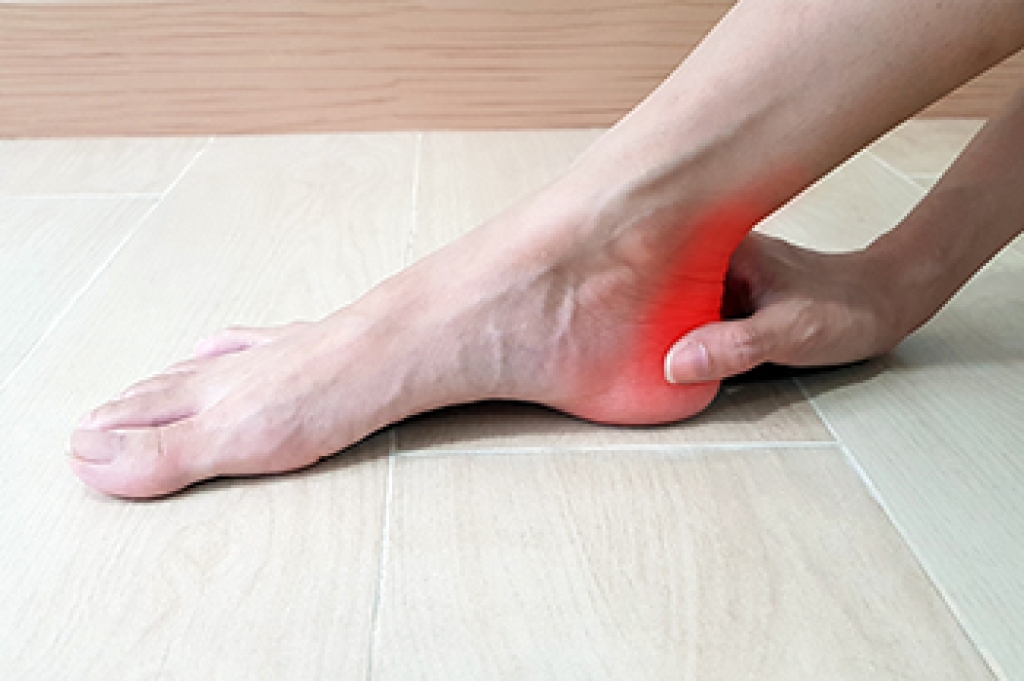
An Achilles tendon tear is a painful injury that can significantly affect mobility. Common causes include sudden increases in physical activity, sports involving jumping or sprinting, and underlying conditions like tendonitis or previous injuries. Symptoms include sudden sharp pain in the back of the heel, swelling, and difficulty walking or pushing off the foot. To diagnose an Achilles tendon tear, podiatrists may perform the Thompson's test, which calls for squeezing the calf muscle and observing foot movement. Additional assessments include plantar flexion tests, where the patient attempts to point their toes, and visual inspection for swelling or bruising. Weight-bearing tests can help determine the level of functional impairment. If you think you have sustained an Achilles tendon injury, it is suggested that you promptly schedule an appointment with a podiatrist who can provide an accurate diagnosis and treatment.

Achilles tendon injuries need immediate attention to avoid future complications. If you have any concerns, contact one of our podiatrists of New York, NY. Our doctors can provide the care you need to keep you pain-free and on your feet.

What Is the Achilles Tendon?

The Achilles tendon is a tendon that connects the lower leg muscles and calf to the heel of the foot. It is the strongest tendon in the human body and is essential for making movement possible. Because this tendon is such an integral part of the body, any injuries to it can create immense difficulties and should immediately be presented to a doctor.

What Are the Symptoms of an Achilles Tendon Injury?

There are various types of injuries that can affect the Achilles tendon. The two most common injuries are Achilles tendinitis and ruptures of the tendon.

Achilles Tendinitis Symptoms

  • Inflammation
  • Dull to severe pain
  • Increased blood flow to the tendon
  • Thickening of the tendon

Rupture Symptoms

  • Extreme pain and swelling in the foot
  • Total immobility

Treatment and Prevention

Achilles tendon injuries are diagnosed by a thorough physical evaluation, which can include an MRI. Treatment involves rest, physical therapy, and in some cases, surgery. However, various preventative measures can be taken to avoid these injuries, such as:

  • Thorough stretching of the tendon before and after exercise
  • Strengthening exercises like calf raises, squats, leg curls, leg extensions, leg raises, lunges, and leg presses

If you have any questions please feel free to contact our office located in New York, NY . We offer the newest diagnostic tools and technology to treat your foot and ankle needs.

Read more about The Causes, Types, and Treatments of Achilles Tendon Injuries

Facts About Flat Feet

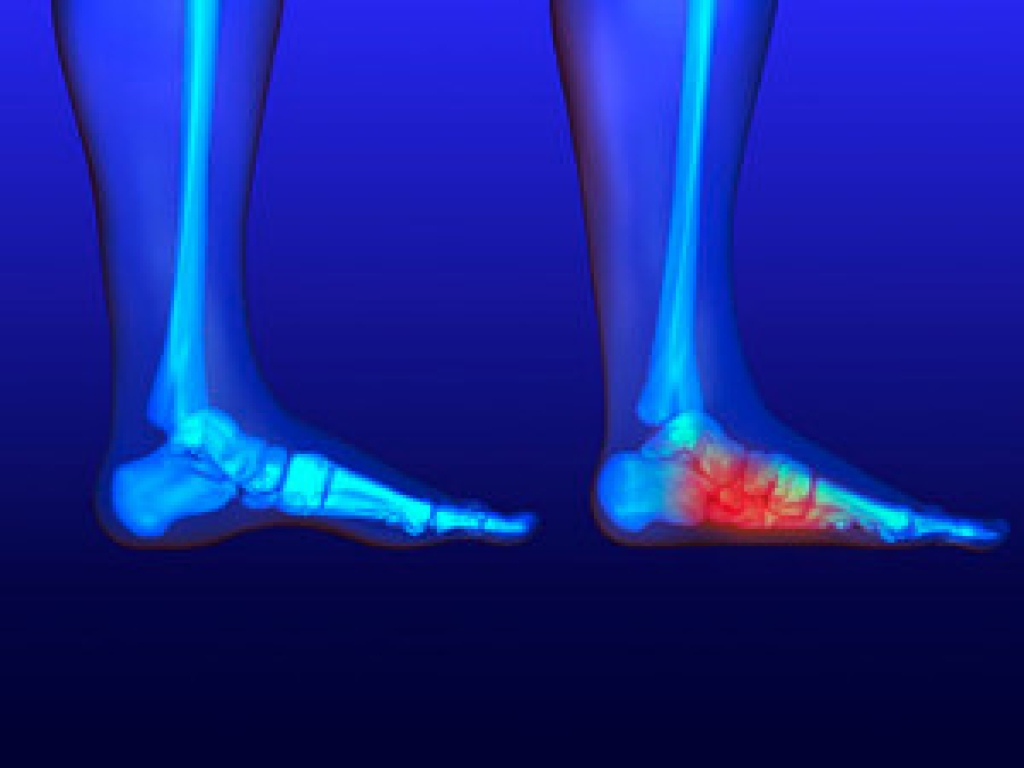
Pes planus, commonly known as flat feet, is caused by the loss of the medial longitudinal arch of the foot. This results in the entire sole making contact with the ground, leading to a flat appearance. Various factors contribute to the development of pes planus. Genetic predisposition plays a significant role, as some individuals inherit a tendency for weak arches. Additionally, obesity places excess strain on the feet, weakening the arch over time. Other causes include injuries or conditions that damage the tendons supporting the arch, such as posterior tibial tendon dysfunction. Chronic conditions like diabetes and rheumatoid arthritis can also contribute to the loss of the arch. If you have flat feet, it is suggested that you are under the care of a podiatrist who can offer you comfort options and help you to manage this condition.

Flatfoot is a condition many people suffer from. If you have flat feet, contact one of our podiatrists from New York, NY. Our doctors will treat your foot and ankle needs.

What Are Flat Feet?

Flatfoot is a condition in which the arch of the foot is depressed and the sole of the foot is almost completely in contact with the ground. About 20-30% of the population generally has flat feet because their arches never formed during growth.

Conditions & Problems:

Having flat feet makes it difficult to run or walk because of the stress placed on the ankles.

Alignment – The general alignment of your legs can be disrupted, because the ankles move inward which can cause major discomfort.

Knees – If you have complications with your knees, flat feet can be a contributor to arthritis in that area.  

Symptoms

  • Pain around the heel or arch area
  • Trouble standing on the tip toe
  • Swelling around the inside of the ankle
  • Flat look to one or both feet
  • Having your shoes feel uneven when worn

Treatment

If you are experiencing pain and stress on the foot you may weaken the posterior tibial tendon, which runs around the inside of the ankle. 

If you have any questions, please feel free to contact our office located in New York, NY . We offer the newest diagnostic and treatment technologies for all your foot care needs.

Read more about What is Flexible Flat Foot?

Heel Pain Can Be Treated!

Do you suffer from heel pain when you get up in the morning? If so, you should seek professional help and have a proper diagnosis performed. Heel pain can be caused by several different foot-related conditions.