facebook
twitter
google

Arthritis and Ankle Pain

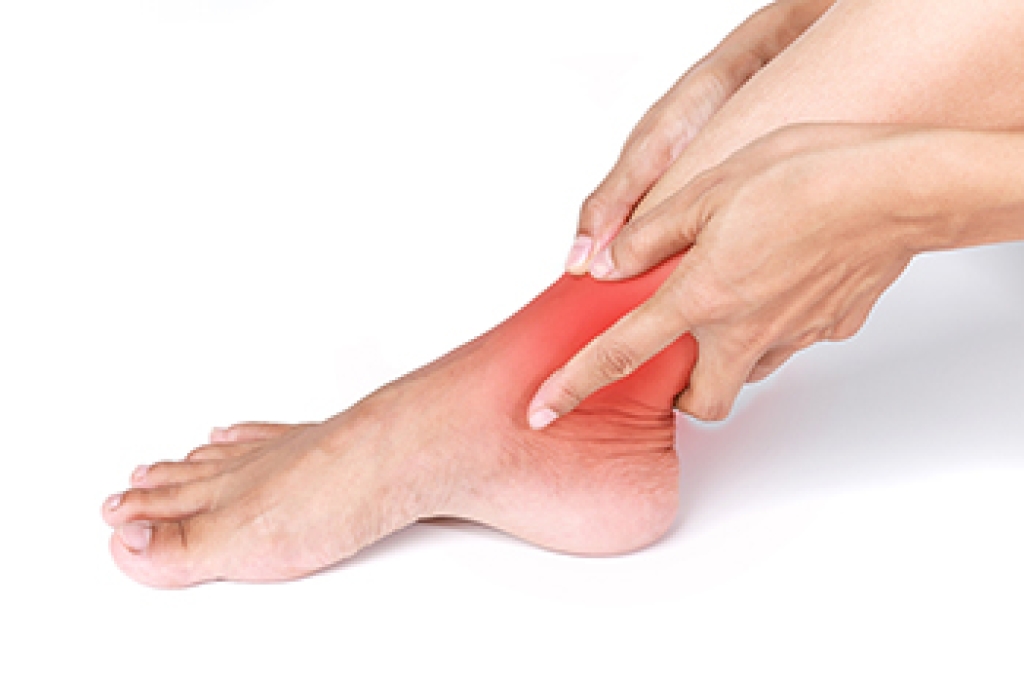
Ankle pain can be caused by various things. Arthritis is a common reason people may have ankle pain, and can wreak havoc on completing daily activities. Several types of arthritis can affect the ankle. Studies have shown osteoarthritis is the most common form of arthritis and is considered to be a chronic condition. When it affects the ankle, it is found at the point where the ankle meets the shinbone. Typical symptoms of this type of arthritis can consist of pain and stiffness, and the ankle may be difficult to move. The feet and ankles can also be affected by rheumatoid arthritis, which can happen when the body’s immune system mistakenly attacks the ankle joints. Juvenile arthritis can develop in people who are under the age of 16, who may notice their feet and ankles are painful and swollen. If you have ankle pain, it is suggested that you contact a podiatrist who can determine if arthritis is the cause and offer effective treatment methods.

Ankle pain can be caused by a number of problems and may be potentially serious. If you have ankle pain, consult with one of our podiatrists from New York, NY. Our doctors will assess your condition and provide you with quality foot and ankle treatment.

Ankle pain is any condition that causes pain in the ankle. Due to the fact that the ankle consists of tendons, muscles, bones, and ligaments, ankle pain can come from a number of different conditions.

Causes

The most common causes of ankle pain include:

  • Types of arthritis (rheumatoid, osteoarthritis, and gout)
  • Ankle sprains
  • Broken ankles
  • Achilles tendonitis
  • Achilles tendon rupture
  • Stress fractures
  • Bursitis
  • Tarsal tunnel syndrome
  • Plantar fasciitis

Symptoms

Symptoms of ankle injury vary based upon the condition. Pain may include general pain and discomfort, swelling, aching, redness, bruising, burning or stabbing sensations, and/or loss of sensation.

Diagnosis

Due to the wide variety of potential causes of ankle pain, podiatrists will utilize a number of different methods to properly diagnose ankle pain. This can include asking for personal and family medical histories and of any recent injuries. Further diagnosis may include sensation tests, a physical examination, and potentially x-rays or other imaging tests.

Treatment

Just as the range of causes varies widely, so do treatments. Some more common treatments are rest, ice packs, keeping pressure off the foot, orthotics and braces, medication for inflammation and pain, and surgery.

If you have any questions please feel free to contact our office located in New York, NY . We offer the newest diagnostic tools and technology to treat your foot and ankle needs.
Read more about Ankle Pain

Overpronation and Hypermobility May Cause Bunions

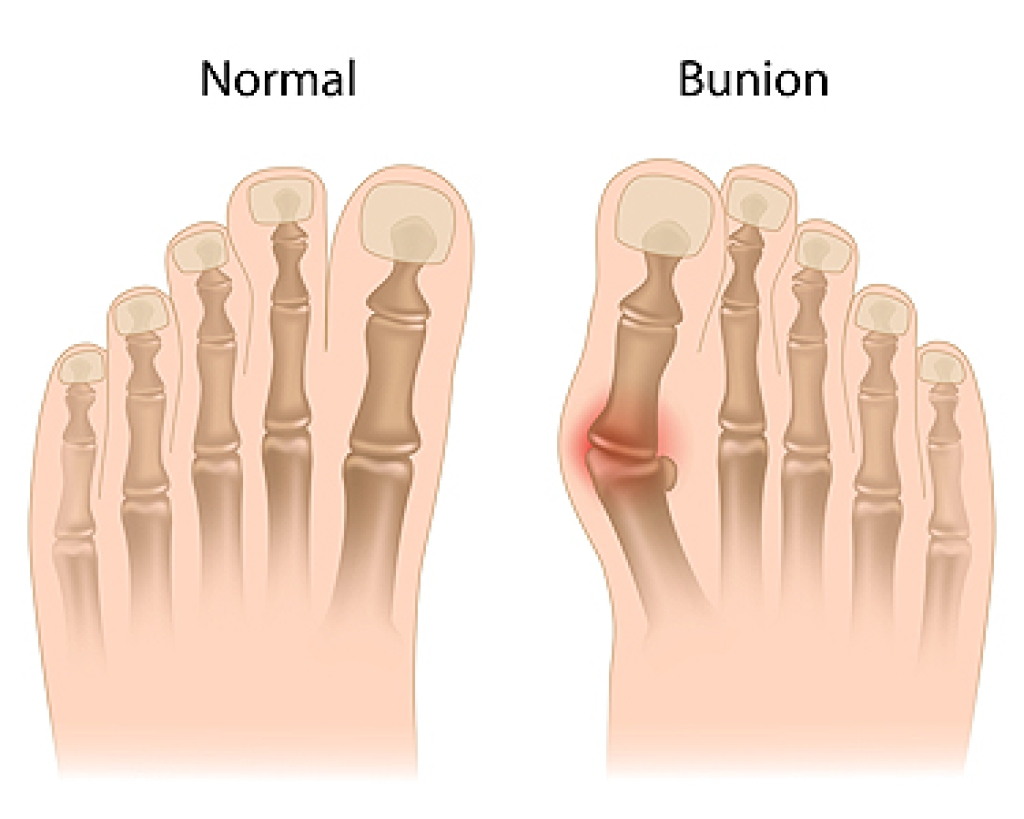
The foot condition known as a bunion is a progressive bone disorder. It is a lump on the side of the big toe that can happen from wearing shoes that do not have enough room in the toe area. Bunions may also occur due to genetic reasons. A bunion is considered a deformity and severe bunions can cause the other toes to shift toward each other. Some patients can develop bunions from overpronation, and this causes the foot to roll inward and can also be related to having flat feet. If the body's weight is unevenly distributed, an abnormal foot structure may develop which could lead to a bunion developing. Hypermobility is a condition that causes the bones to move more than they normally would and this may also result in a bunion. If you have a bunion, it is suggested that you confer with a podiatrist who can determine the proper plan of treatment for you. 

If you are suffering from bunions, contact one of our podiatrists of New York, NY. Our doctors can provide the care you need to keep you pain-free and on your feet.

What Is a Bunion?

A bunion is formed of swollen tissue or an enlargement of boney growth, usually located at the base joint of the toe that connects to the foot. The swelling occurs due to the bones in the big toe shifting inward, which impacts the other toes of the foot. This causes the area around the base of the big toe to become inflamed and painful.

Why Do Bunions Form?

Genetics – Susceptibility to bunions are often hereditary

Stress on the feet – Poorly fitted and uncomfortable footwear that places stress on feet, such as heels, can worsen existing bunions

How Are Bunions Diagnosed?

Doctors often perform two tests – blood tests and x-rays – when trying to diagnose bunions, especially in the early stages of development. Blood tests help determine if the foot pain is being caused by something else, such as arthritis, while x-rays provide a clear picture of your bone structure to your doctor.

How Are Bunions Treated?

  • Refrain from wearing heels or similar shoes that cause discomfort
  • Select wider shoes that can provide more comfort and reduce pain
  • Anti-inflammatory and pain management drugs
  • Orthotics or foot inserts
  • Surgery

If you have any questions, please feel free to contact our office located in New York, NY . We offer the newest diagnostic and treatment technologies for all your foot care needs.

Read more about Bunions

Foot Problems From Diabetes

Many people with diabetes develop foot pain that directly results from their disease. One such condition is diabetic neuropathy, which is caused by nerves that have been damaged by high levels of blood sugar. The cause of severe foot pain is known as focal neuropathy, which affects one nerve at a time. On the other hand, peripheral neuropathy affects all the nerves from the spine to the feet. Factors that make diabetic foot pain more likely to occur include uncontrolled blood sugar levels, poor blood flow to the feet, plaque buildup in the arteries and veins, and genetics. In addition, the risk of diabetic foot pain increases with alcohol abuse and smoking. Having diabetic neuropathy can lead to difficulty walking, foot ulcers, and frequent foot infections. A regular foot hygiene routine is the best way to prevent these conditions from forming or worsening. For more information about foot pain related to diabetes, it is suggested that you make an appointment with a podiatrist.

Diabetic foot care is important in preventing foot ailments such as ulcers. If you are suffering from diabetes or have any other concerns about your feet, contact one of our podiatrists from New York, NY. Our doctors can provide the care you need to keep you pain-free and on your feet.

Diabetic Foot Care

Diabetes affects millions of people every year. The condition can damage blood vessels in many parts of the body, especially the feet. Because of this, taking care of your feet is essential if you have diabetes, and having a podiatrist help monitor your foot health is highly recommended.

The Importance of Caring for Your Feet

  • Routinely inspect your feet for bruises or sores.
  • Wear socks that fit your feet comfortably.
  • Wear comfortable shoes that provide adequate support.

Patients with diabetes should have their doctor monitor their blood levels, as blood sugar levels play such a huge role in diabetic care. Monitoring these levels on a regular basis is highly advised.

It is always best to inform your healthcare professional of any concerns you may have regarding your feet, especially for diabetic patients. Early treatment and routine foot examinations are keys to maintaining proper health, especially because severe complications can arise if proper treatment is not applied.

If you have any questions, please feel free to contact our office located in New York, NY . We offer the newest diagnostic and treatment technologies for all your foot care needs.

Read more about Diabetic Foot Care

Get Professional Care for a Broken Foot or Ankle

Constant care and regular evaluation are important for a foot or ankle fracture. If left untreated, foot or ankle fractures can worsen over time and create more serious problems.

Don't wait to be examined if you believe you've experienced a foot or ankle fracture.

Feet Smell in Children

Caring for a child can present a whole host of challenges to new parents. One of these challenges is caring for the child’s feet. Some new parents might notice that their child’s feet have an unpleasant odor. Importantly, many children experience this phenomenon. There are a number of different reasons for this. For example, many children are highly physically active and sweat significantly, which can lead to smelly feet. There are steps, however, that parents can take to mitigate smelly feet in their children. Most importantly, parents can help their children keep their feet clean and dry. Parents might also even wash and dry their child’s shoes regularly. This prevents the accumulation of bacteria in the shoes. If you are the parent of a child and are looking to protect the health of their feet, it is suggested that you contact a podiatrist for an appointment.

Making sure that your children maintain good foot health is very important as they grow. If you have any questions, contact one of our podiatrists of New York, NY. Our doctors can provide the care you need to keep you pain-free and on your feet.

Keeping Children's Feet Healthy

Having healthy feet during childhood can help prevent medical problems later in life, namely in the back and legs. As children grow, their feet require different types of care. Here are some things to consider...

Although babies do not walk yet, it is still very important to take care of their feet.

Avoid putting tight shoes or socks on his or her feet.

Allow the baby to stretch and kick his or her feet to feel comfortable.

As a toddler, kids are now on the move and begin to develop differently. At this age, toddlers are getting a feel for walking, so don’t be alarmed if your toddler is unsteady or ‘walks funny’. 

As your child gets older, it is important to teach them how to take care of their feet.

Show them proper hygiene to prevent infections such as fungus.

Be watchful for any pain or injury.

Have all injuries checked by a doctor as soon as possible.

Comfortable, protective shoes should always be worn, especially at play.

If you have any questions, please feel free to contact our office located in New York, NY . We offer the newest diagnostic and treatment technologies for all your foot care needs.

Read more about How to Care for Your Child's Feet