
facebook
twitter
google

Various Reasons Why Stress Fractures Can Happen

Many people are aware when they have fractured a bone. The pain is sudden and often happens from an injury. This may not be true with stress fractures, as it develops over time. A stress fracture is considered to be a hairline fracture and is caused by repetitive movements. This is a common injury among people who enjoy running, or frequently participating in jumping activities. For example, osteoporosis can weaken the bones, which can make it easier for stress fractures to happen. Additionally, wearing shoes that do not fit correctly can gradually weaken the foot bones, possibly leading to developing a stress fracture. Mild relief may be found if sporting activities are temporarily stopped, and a supportive boot or cast is worn until complete healing has taken place. This can be followed by implementing specific stretches that can help to strengthen the foot. If you have a stress fracture, it is suggested that you confer with a podiatrist who can effectively diagnose and treat this foot condition.

Activities where too much pressure is put on the feet can cause stress fractures. To learn more, contact one of our podiatrists from New York, NY. Our doctors can provide the care you need to keep your pain free and on your feet.

Dealing with Stress Fractures of the Foot and Ankle

Stress fractures occur in the foot and ankle when muscles in these areas weaken from too much or too little use.  The feet and ankles then lose support when walking or running from the impact of the ground. Since there is no protection, the bones receive the full impact of each step. Stress on the feet can cause cracks to form in the bones, thus creating stress fractures.

What Are Stress Fractures?

Stress fractures occur frequently in individuals whose daily activities cause great impact on the feet and ankles. Stress factors are most common among:

  • Runners                                
  • People affected with Osteoporosis
  • Tennis or basketball players
  • Gymnasts
  • High impact workouts

Symptoms

Pain from the fractures occur in the area of the fractures and can be constant or intermittent. It will often cause sharp or dull pain with swelling and tenderness. Engaging in any kind of activity which involves high impact will aggravate pain.

If you have any questions please contact our office located in New York, NY . We offer the newest diagnostic and treatment technologies for all your foot and ankle needs.

Read more about Dealing with Stress Fractures of the Foot and Ankle

First Symptoms of Athlete’s Foot

The foot condition that is known as athlete’s foot is generally not a serious ailment, despite how uncomfortable it can be. Prompt medical attention is often sought for relief, which may help prevent further foot conditions. Athlete’s foot is caused by a fungus that lives in warm, moist environments. These can include shower room floors, public swimming pools, and similar areas. Athlete's foot is considered to be contagious, and it is beneficial to refrain from sharing shoes, socks, and towels. Additionally, it is helpful to wear appropriate shoes while in these types of areas, such as flip-flops or water shoes. The beginning signs of this condition may consist of red patches that can form between the toes or on the bottom of the foot. In severe cases, small blisters may develop. If you have signs of having athlete’s foot, it is suggested that you confer with a podiatrist who can offer you the correct treatment options.

Athlete’s foot is an inconvenient condition that can be easily reduced with the proper treatment. If you have any concerns about your feet and ankles, contact one of our podiatrists from New York, NY.  Our doctors will treat your foot and ankle needs.

Athlete’s Foot: The Sole Story

Athlete's foot, also known as tinea pedis, can be an extremely contagious foot infection. It is commonly contracted in public changing areas and bathrooms, dormitory style living quarters, around locker rooms and public swimming pools, or anywhere your feet often come into contact with other people.

Solutions to Combat Athlete’s Foot

  • Hydrate your feet by using lotion
  • Exfoliate
  • Buff off nails
  • Use of anti-fungal products
  • Examine your feet and visit your doctor if any suspicious blisters or cuts develop

Athlete’s foot can cause many irritating symptoms such as dry and flaking skin, itching, and redness. Some more severe symptoms can include bleeding and cracked skin, intense itching and burning, and even pain when walking. In the worst cases, Athlete’s foot can cause blistering as well. Speak to your podiatrist for a better understanding of the different causes of Athlete’s foot, as well as help in determining which treatment options are best for you.

If you have any questions please feel free to contact our office located in New York, NY . We offer the newest diagnostic and treatment technologies for all your foot and ankle needs.
Read more about Athlete's Foot

Signs You May Have a Broken Toe

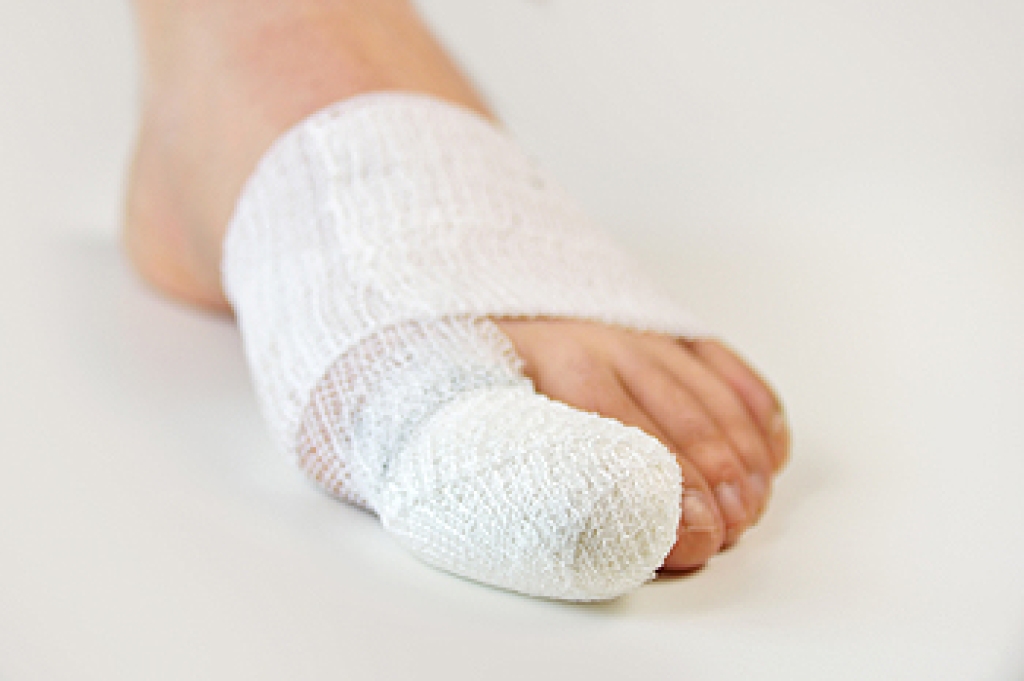
Most broken toes are the result of falling, dropping something heavy on it, or bumping it into a hard object. Symptoms of a broken, rather than sprained, toe include severe throbbing pain that does not subside, swelling, bruising, and redness of the skin. The inability to put weight on the toe is another sign, as standing or walking is likely to send shooting pain up through the body. Worse, it may even cause you to lose your balance and fall. A telltale sign of a broken toe is a popping or cracking noise heard when the injury occurs. If you have a broken toe it will become extremely tender to the touch. Putting on shoes, or even socks, may become impossible to bear. An obvious sign that a toe is broken is if the bone becomes visible through a break in the skin. Besides being painful, the toe is then more likely to be exposed to infection. Further, if not properly healed, this can lead to a permanent deformity. If you are experiencing any of these symptoms, it is suggested that you make an appointment with a podiatrist for treatment. 

A broken toe can be very painful and lead to complications if not properly fixed. If you have any concerns about your feet, contact one of our podiatrists from New York, NY. Our doctors will treat your foot and ankle needs.

What to Know About a Broken Toe

Although most people try to avoid foot trauma such as banging, stubbing, or dropping heavy objects on their feet, the unfortunate fact is that it is a common occurrence. Given the fact that toes are positioned in front of the feet, they typically sustain the brunt of such trauma. When trauma occurs to a toe, the result can be a painful break (fracture).

Symptoms of a Broken Toe

  • Throbbing pain
  • Swelling
  • Bruising on the skin and toenail
  • The inability to move the toe
  • Toe appears crooked or disfigured
  • Tingling or numbness in the toe

Generally, it is best to stay off of the injured toe with the affected foot elevated.

Severe toe fractures may be treated with a splint, cast, and in some cases, minor surgery. Due to its position and the pressure it endures with daily activity, future complications can occur if the big toe is not properly treated.

If you have any questions, please feel free to contact our office located in New York, NY . We offer the newest diagnostic and treatment technologies for all your foot care needs.

Read more about What to Know About a Broken Toe

Benefits of Wearing an Ankle Brace

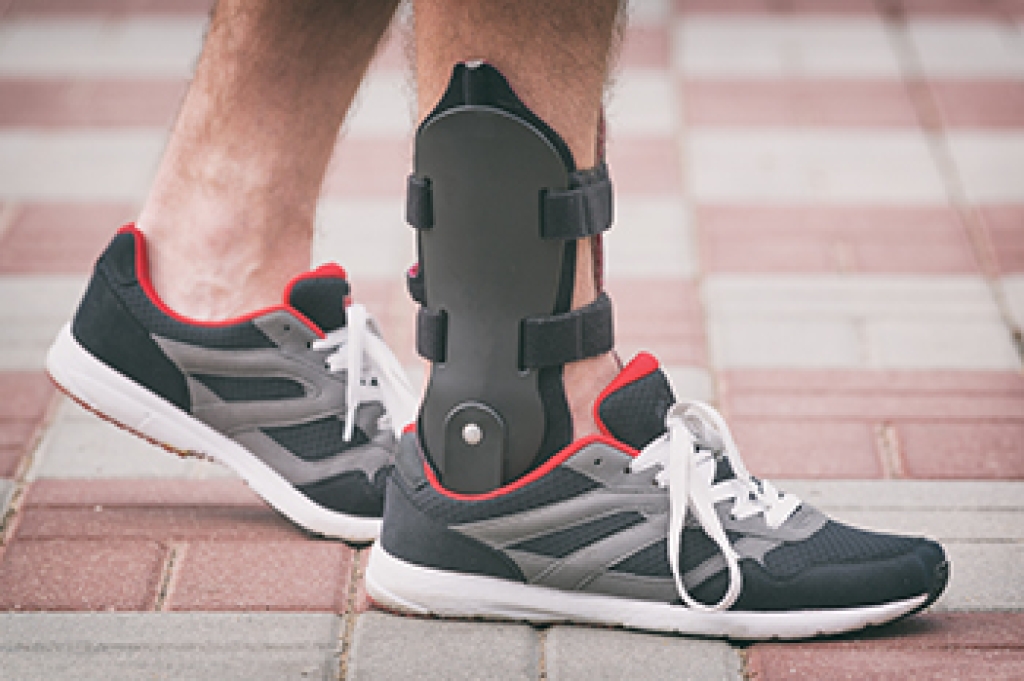
If you have injured an ankle, it may take a long time to heal. The goal is to help it heal completely in order to ward off future injuries to the same ankle. Many patients find that using an ankle brace can help. In fact, in many cases, wearing an ankle brace also helps to prevent an injury in the first place. A number of types of ankle braces are available, including those made with elastic materials that slip onto the foot and those made with more solid material and straps that encase the foot. A brace can help to reduce strain, tension, and pressure on the ankle joint. One of the major uses of an ankle brace is to immobilize the joint and help to reduce swelling after an injury. Among the many problems that can be helped by wearing an ankle brace are sprains, Achilles tendonitis, and arthritis. For help with choosing the correct type of ankle brace, it is suggested that you make an appointment with a podiatrist.

If you are having discomfort in your feet and would like to try orthotics, contact one of our podiatrists from New York, NY. Our doctors can provide the care you need to keep you pain-free and on your feet.

What Are Orthotics?

Orthotics are inserts you can place into your shoes to help with a variety of foot problems such as flat feet or foot pain. Orthotics provide relief and comfort for minor foot and heel pain but can’t correct serious biomechanical problems in your feet.

Over-the-Counter Inserts

Orthotics come in a wide variety of over-the-counter inserts that are used to treat foot pain, heel pain, and minor problems. For example, arch supports can be inserted into your shoes to help correct overarched or flat feet, while gel insoles are often used because they provide comfort and relief from foot and heel pain by alleviating pressure.

Prescription Orthotics

If over-the-counter inserts don’t work for you or if you have a more severe foot concern, it is possible to have your podiatrist prescribe custom orthotics. These high-quality inserts are designed to treat problems such as abnormal motion, plantar fasciitis, and severe forms of heel pain. They can even be used to help patients suffering from diabetes by treating foot ulcers and painful calluses and are usually molded to your feet individually, which allows them to provide full support and comfort.

If you are experiencing minor to severe foot or heel pain, it’s recommended to speak with your podiatrist about the possibilities of using orthotics. A podiatrist can determine which type of orthotic is right for you and allow you to take the first steps towards being pain-free.

If you have any questions, please feel free to contact our office located in New York, NY . We offer the newest diagnostic and treatment technologies for all your foot care needs.

Read more about Foot Orthotics

Keep Your Feet Healthy So You Can Stay Active

Have your feet inspected by a professional before starting a new sport or physical activity. Taking charge of your foot health will keep you in good physical condition and can help you avoid a potential injury, such as a fracture or sprained ankle.

Prevent injuries and see a foot specialist.