facebook
twitter
google

How Can I Prevent Heel Spurs?

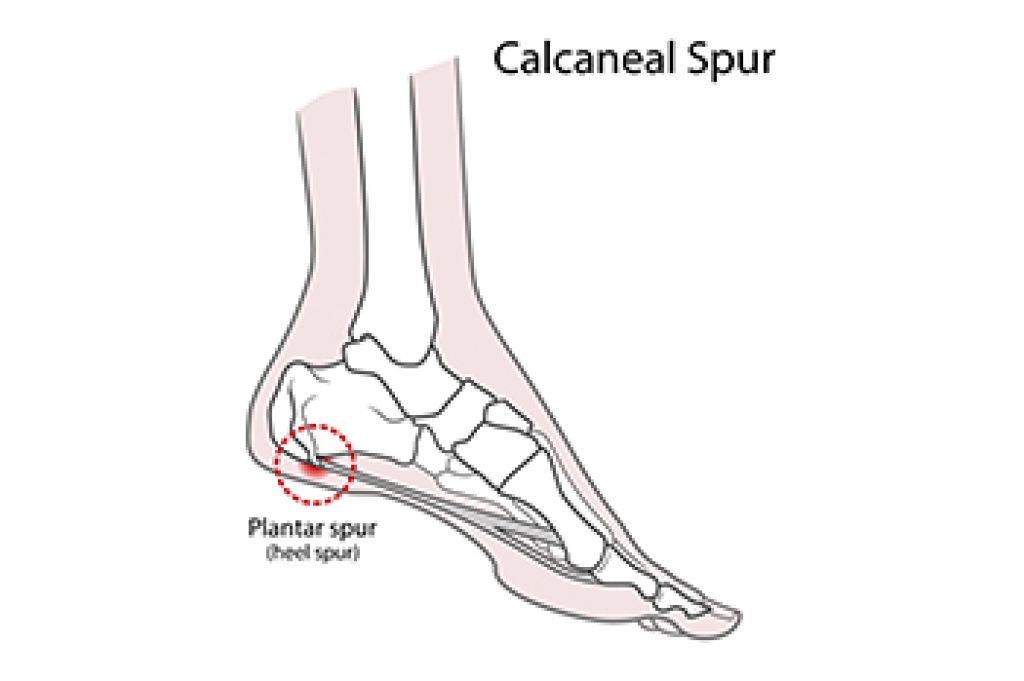
Heel spurs are essentially bony hooks that can develop on the bottoms of the feet. As a result of heel spurs, a patient may experience pain that can slowly become a dull ache. Luckily, there are many steps that an individual can take to help prevent the onset of heel spurs. For example, one can monitor their weight and ensure that they do not become obese. This is because excess body weight can put added pressure on the heels, which ultimately makes heel spurs more likely. Additionally, an individual might consider using the proper footwear. Wearing shoes that are old and worn may negatively affect your gait. If you are someone that is currently living with heel spurs or are particularly concerned about developing heel spurs, it is highly suggested that you schedule an appointment with a podiatrist who can provide treatment and prevention methods that are best for you.

Heel spurs can be incredibly painful and sometimes may make you unable to participate in physical activities. To get medical care for your heel spurs, contact one of our podiatrists from New York, NY. Our doctors will do everything possible to treat your condition.

Heels Spurs

Heel spurs are formed by calcium deposits on the back of the foot where the heel is. This can also be caused by small fragments of bone breaking off one section of the foot, attaching onto the back of the foot. Heel spurs can also be bone growth on the back of the foot and may grow in the direction of the arch of the foot.

Older individuals usually suffer from heel spurs and pain sometimes intensifies with age. One of the main condition's spurs are related to is plantar fasciitis.

Pain

The pain associated with spurs is often because of weight placed on the feet. When someone is walking, their entire weight is concentrated on the feet. Bone spurs then have the tendency to affect other bones and tissues around the foot. As the pain continues, the feet will become tender and sensitive over time.

Treatments

There are many ways to treat heel spurs. If one is suffering from heel spurs in conjunction with pain, there are several methods for healing. Medication, surgery, and herbal care are some options.

If you have any questions, please feel free to contact our office located in New York, NY . We offer the newest diagnostic and treatment technologies for all your foot care needs.


Read more about Heel Spurs

What Can Cause Poor Circulation?

Poor circulation often affects the feet. Patients who have this condition may notice a tingling or numbing sensation in different parts of the foot, and the ankles may be swollen. It may be caused by high blood pressure, diabetes, or poor digestion. Additionally, as people age, they may become more sedentary than in prior years, causing less blood to pump through the body. When the circulatory system works well, oxygen and nutrients are sent to all areas of the body, and poor circulation may cause a lack of proper blood flow. People who have poor circulation may notice there is less hair on their legs, and their feet may feel cold. Patients may notice mild improvement when they begin a gentle exercise routine, such as swimming or walking. It is beneficial to start slowly, and gradually increase the activity level as the body becomes accustomed to moving. If you have poor circulation, it is suggested that you schedule an appointment with a podiatrist who can provide you with additional relief options, and determine what the best treatment is for you.

Poor circulation is a serious condition and needs immediate medical attention. If you have any concerns with poor circulation in your feet contact one of our podiatrists of New York, NY. Our doctors will treat your foot and ankle needs.

Poor Circulation in the Feet

Poor blood circulation in the feet and legs is can be caused by peripheral artery disease (PAD), which is the result of a buildup of plaque in the arteries.

Plaque buildup or atherosclerosis results from excess calcium and cholesterol in the bloodstream. This can restrict the amount of blood which can flow through the arteries. Poor blood circulation in the feet and legs are sometimes caused by inflammation in the blood vessels, known as vasculitis.

Causes

Lack of oxygen and oxygen from poor blood circulation restricts muscle growth and development. It can also cause:

  • Muscle pain, stiffness, or weakness 
  • Numbness or cramping in the legs
  • Skin discoloration
  • Slower nail & hair growth
  • Erectile dysfunction

Those who have diabetes or smoke are at greatest risk for poor circulation, as are those who are over 50. If you have poor circulation in the feet and legs it may be caused by PAD and is important to make changes to your lifestyle in order to reduce risk of getting a heart attack or stroke. Exercise and maintaining a healthy lifestyle will dramatically improve conditions.

As always, see a podiatrist as he or she will assist in finding a regimen that suits you. A podiatrist can also prescribe you any needed medication. 

If you have any questions, please feel free to contact our office located in New York, NY . We offer the newest diagnostic and treatment technologies for all your foot care needs.

Read more about Causes, Symptoms, and Treatment of Poor Blood Circulation in the Feet

Kohler’s Disease Affects Children

Kohler’s disease is a rare bone disorder that occurs among children between the ages of 3 and 7. It is the result of stress-related compression during certain growth periods. This condition may first be recognized by pain, swelling, redness, and limping. It is five times more likely to occur in male children and usually affects only one foot. The child’s foot will be especially tender along the arch because the flow of blood to one of the foot bones, the navicular, has been blocked. The reason for this is uncertain. The child may walk on the outside of his foot to reduce the pain. A visit to a podiatrist may include an X-ray of the affected foot, which will then be compared with that of the other foot. In addition to pain relievers, a podiatrist may prescribe a weight-bearing short cast or special supportive shoes for the child. In addition, staying off the affected foot can help to speed up recovery. In most cases, a child will outgrow the disorder in a few months as the bones resume their normal growth pattern, but in some cases, it can last as long as two years. If your child is exhibiting the symptoms of Kohler’s disease, it is suggested that you consult with a podiatrist.

Some foot conditions may require additional professional care. If you have any concerns, contact one of our podiatrists of New York, NY. Our doctors can provide the care you need to keep you pain-free and on your feet.

Rare Foot Conditions

The majority of foot conditions are common and can be treated by a podiatrist.  Standard diagnostic procedures are generally used to identify specific conditions and treatment can be rendered. A podiatrist also treats rare foot conditions which can be difficult to diagnose and may need extra attention and care. 

There are many rare foot conditions that can affect children. Some of these can include:

  • Freiberg’s disease
  • Kohler’s disease
  • Maffucci syndrome

Freiberg’s disease - This can be seen as a deterioration and flattening of a metatarsal bone that exists in the ball of the foot. It typically affects pre-teen and teenage girls, but can affect anyone at any age. Symptoms that can accompany this can be swelling, stiffness, and the patient may limp. 

Kohler’s disease - This often targets the bone in the arch of the foot and affects younger boys. It can lead to an interruption of the blood supply which ultimately can lead to bone deterioration. The patient may limp or experience tenderness, swelling, and redness.

Maffucci syndrome - This affects the long bones in a child’s foot leading to the development of abnormal bone lesions. They are benign growths and typically develop in early childhood and the bones may be susceptible to breaking. 

A podiatrist can properly diagnose and treat all types of rare foot conditions. If your child is affected by any of these symptoms or conditions, please don’t hesitate to call our office so the correct treatment method can begin.

If you have any questions, please feel free to contact our office located in New York, NY . We offer the newest diagnostic and treatment technologies for all your foot care needs.
Read more about Rare Foot Conditions

Let the Expert Treat Your Ingrown Toenails

Ingrown toenails can be painful and can make wearing shoes or walking uncomfortable. Seek professional help if you believe you've developed an ingrown toenail and be treated safely. 

Foot Melanomas

Melanoma is the most serious type of skin cancer, and it can occur in places on your body that would likely not be considered, such as the feet. Since the feet are often neglected, a foot melanoma can spread without being noticed, which can have serious consequences. Signs of foot cancer can include a mole that changes appearance, black or brown vertical lines under the toenails, or non-healing sores. There may also be pain, bleeding, or itching in these areas. A practice of routine foot care will help greatly in noticing that something may be amiss on the feet and allow treatment before dire consequences result. This routine starts with washing, drying, and applying moisturizer to the feet daily. It is imperative the feet be examined as well. If looking between the toes, on the sides, and soles of the feet is difficult, a hand mirror can be used for an examination. Foot areas that have been injured, even if well-healed, are susceptible to this type of cancer. If you notice a suspicious marking on your foot, it is suggested that you contact a podiatrist as soon as possible for a professional exam.

Foot Pain

Foot pain can be extremely painful and debilitating. If you have a foot pain, consult with one of our podiatrists from New York, NY. Our doctors will assess your condition and provide you with quality foot and ankle treatment.

Causes

Foot pain is a very broad condition that could be caused by one or more ailments. The most common include:

  • Bunions
  • Hammertoes
  • Plantar Fasciitis
  • Bone Spurs
  • Corns
  • Tarsal Tunnel Syndrome
  • Ingrown Toenails
  • Arthritis (such as Gout, Rheumatoid, and Osteoarthritis)
  • Flat Feet
  • Injury (from stress fractures, broken toe, foot, ankle, Achilles tendon ruptures, and sprains)
  • And more

Diagnosis

To figure out the cause of foot pain, podiatrists utilize several different methods. This can range from simple visual inspections and sensation tests to X-rays and MRI scans. Prior medical history, family medical history, and any recent physical traumatic events will all be taken into consideration for a proper diagnosis.

Treatment

Treatment depends upon the cause of the foot pain. Whether it is resting, staying off the foot, or having surgery; podiatrists have a number of treatment options available for foot pain.

If you have any questions, please feel free to contact our office located in New York, NY . We offer the newest diagnostic and treatment technologies for all your foot care needs.

Read more about Foot Pain