facebook
twitter
google

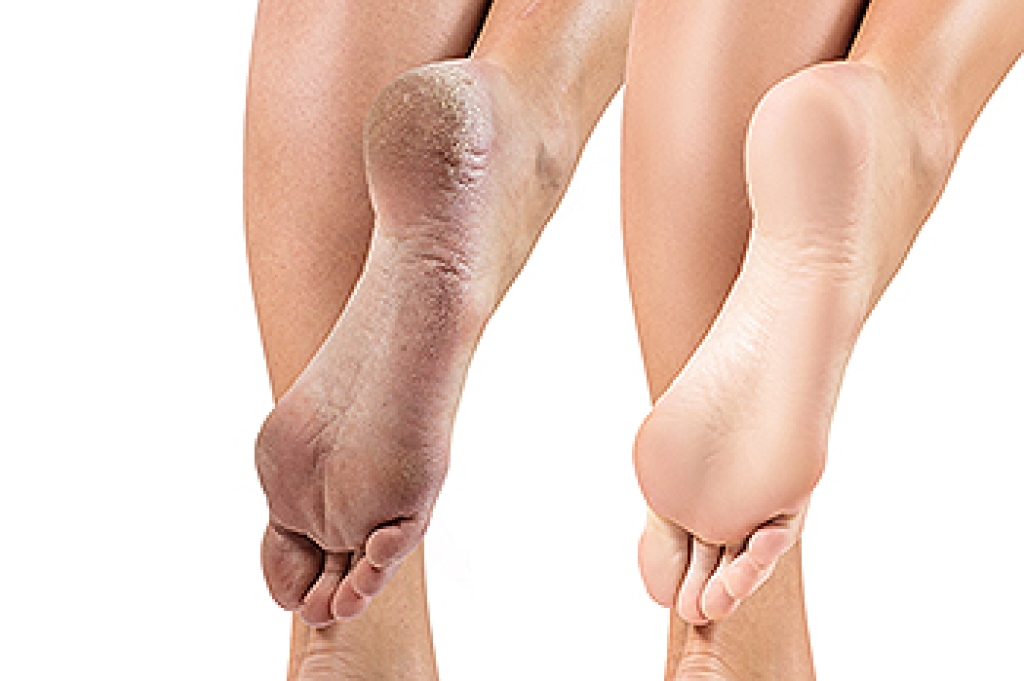
Reasons Cracked Heels Can Develop

Dry skin on the rim of the heels can cause cracked heels to develop. It can happen from standing on hard surfaces for most of the day and can be a result of the weight the feet endure. People who are overweight may have cracked heels, or it may come from wearing shoes that have an open back. Research has shown that vitamin deficiencies such as C, B-3, and E may contribute to getting cracked heels. Also, people who have medical conditions like athlete’s foot and eczema may be prone to getting cracked heels. Severely cracked heels are known as fissures and can become painful and infected. Relief may be found when the feet are soaked in warm water, followed by applying a good moisturizer on them. Wearing the proper shoes may help to prevent cracked heels, such as heels with a back or strap. If you have cracked heels, it is suggested that you schedule an appointment sooner rather than later with a podiatrist who can offer you the correct treatment options.

Cracked heels are unsightly and can cause further damage to your shoes and feet. If you have any concerns, contact one of our podiatrists from New York, NY. Our doctors can provide the care you need to keep you pain-free and on your feet.

Cracked Heels

Cracked heels appear unappealing and can make it harder for you walk around in sandals. Aside from looking unpleasant, cracked heels can also tear stockings, socks, and wear out your shoes. There are several methods to help restore a cracked heel and prevent further damage.

How Do You Get Them?

Dry skin is the number one culprit in creating cracked heels. Many athletes, walkers, joggers, and even swimmers suffer from cracked heels. Age and skin oil production play a role to getting cracked heels as well.

Promote Healing

Over the counter medicines can help, especially for those that need instant relief or who suffer from chronic dry feet.

Wear Socks – Wearing socks with medicated creams helps lock in moisture.

Moisturizers – Applying both day and night will help alleviate dryness which causes cracking.

Pumice Stones – These exfoliate and remove dead skin, which allows for smoother moisturizer application and better absorption into the skin. 

Change in Diet

Eating healthy with a well-balanced diet will give the skin a fresh and radiant look. Your body responds to the kinds of food you ingest. Omega-3 fatty acids and zinc supplements can also revitalize skin tissue.

Most importantly, seek professional help if unsure how to proceed in treating cracked heels. A podiatrist will help you with any questions or information needed. 

If you have any questions, please feel free to contact our office located in New York, NY . We offer the newest diagnostic and treatment technologies for all your foot care needs.

Read more about Solutions for Cracked Heels

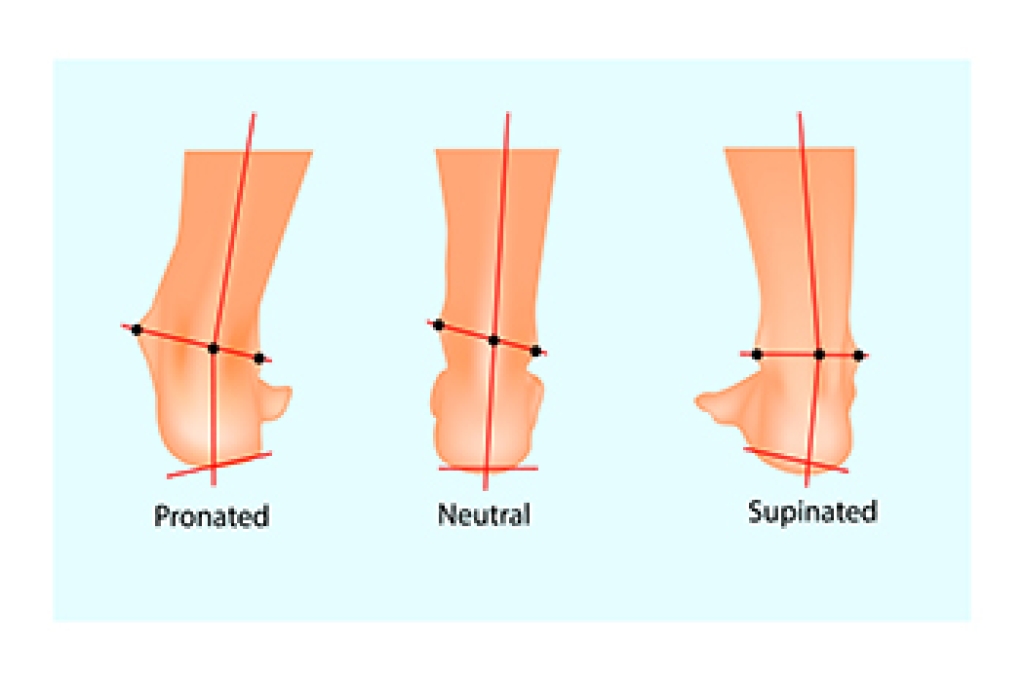
Pronation and Supination Affect Foot Health

The way you walk can affect the health of your feet as well as other body parts, including the knees, hips, and back. When you take a step, the foot either rolls outward or inward. This is referred to as the running gait. When the foot rolls inward, it is termed pronation. When the foot rolls outward, it is termed supination. A certain amount of pronation and supination is considered normal. But if the foot rolls too far inward, called overpronation, the arch flattens out and causes damage to the tendons, ligaments, and muscles under the foot. In the case of supination, the foot rolls outward. Oversupination puts extra strain on the muscles and tendons in the ankle joint, causing instability. This action can result in an ankle sprain or ligament rupture. Overpronation and supination can also contribute to several other foot, heel, and ankle ailments, including plantar fasciitis, Achilles tendonitis, and flat feet. If you have experienced symptoms connected to overpronation or supination, please consult a podiatrist who can prescribe custom orthotics that may help to correct the problem.

If you have any concerns about your feet, contact one of our podiatrists from New York, NY. Our doctors can provide the care you need to keep you pain-free and on your feet.

Biomechanics in Podiatry

Podiatric biomechanics is a particular sector of specialty podiatry with licensed practitioners who are trained to diagnose and treat conditions affecting the foot, ankle and lower leg. Biomechanics deals with the forces that act against the body, causing an interference with the biological structures. It focuses on the movement of the ankle, the foot and the forces that interact with them.

A History of Biomechanics

  • Biomechanics dates back to the BC era in Egypt where evidence of professional foot care has been recorded.
  • In 1974, biomechanics gained a higher profile from the studies of Merton Root, who claimed that by changing or controlling the forces between the ankle and the foot, corrections or conditions could be implemented to gain strength and coordination in the area.

Modern technological improvements are based on past theories and therapeutic processes that provide a better understanding of podiatric concepts for biomechanics. Computers can provide accurate information about the forces and patterns of the feet and lower legs.

Understanding biomechanics of the feet can help improve and eliminate pain, stopping further stress to the foot.

If you have any questions please feel free to contact our office located in New York, NY . We offer the newest diagnostic and treatment technologies for all your foot and ankle needs.

Read more about Biomechanics in Podiatry

Simple Methods to Prevent Running Injuries

There are people who enjoy many forms of running, ranging from recreational jogging to training for a marathon. Incurring a running injury can wreak havoc on the running routine, and it is often temporarily stopped until the injury has healed. Seasoned runners may know how to implement effective techniques to prevent running injuries. These can consist of warming up before running, performing foot and ankle stretches, and cooling down after the run. Additionally, it is beneficial to get adequate sleep and rest between runs, which can help the body to recover. Gradually increasing speed and distance can help the body to adjust to running, and it is important to be aware of the type of surfaces that are run on. When the right running shoes are worn, in addition to performing strength-training exercises, the risk of incurring a running injury may be reduced. If you would like more information about how running can affect the feet, and efficient methods to prevent running injuries, please contact a podiatrist.

Exercising your feet regularly with the proper foot wear is a great way to prevent injuries. If you have any concerns about your feet, contact one of our podiatrists of New York, NY. Our doctors will treat your foot and ankle needs.

How to Prevent Running Injuries

Many common running injuries are caused by overuse and overtraining. When the back of the kneecap starts wearing out and starts causing pain in your knee, this is commonly referred to as runner’s knee. Runner’s knee is a decrease in strength in your quadriceps and can occur if you’re not wearing properly fitted or supporting shoes. To prevent runner’s knee, focusing on hip strengthening is a good idea, as well as strengthening your quads to keep the kneecaps aligned.

What Are Some Causes of Running Injuries? 
- One cause of a common running injury is called iliotibial band syndrome.
- Plantar fasciitis is also another common injury.
- Stress fractures can occur from overtraining, lack of calcium, or even your running style.

Best Ways to Prevent Running Injuries
- Wear footwear that fits properly and suits your running needs.
- Running shoes are the only protective gear that runners have to safeguard them from injury.
- Make a training schedule. Adding strengthening exercises as well as regular stretching can help keep you strong and limber and can lessen the possibility of injuries.
- Stretching keeps muscles limber; this will help you gain better flexibility.

If you have any questions, please feel free to contact our office located in New York, NY . We offer the newest diagnostic and treatment technologies for all your foot care needs.
Read more about How to Prevent Running Injuries

Is Your Toenail Fungus Dying?

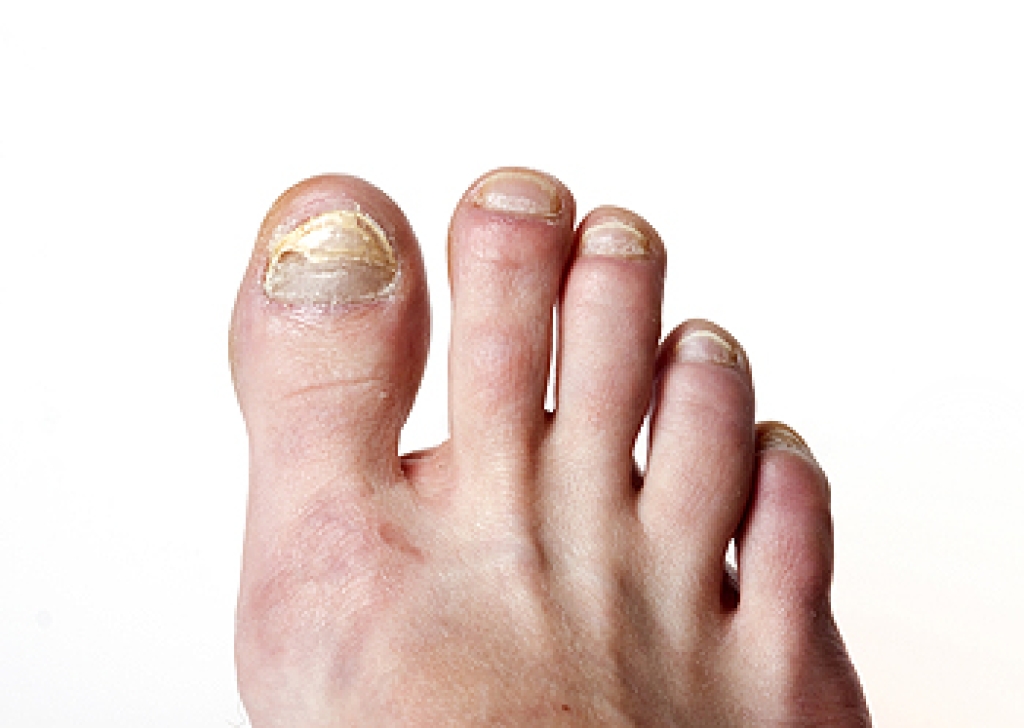
Simply put, nobody wants to develop a case of toenail fungus. This is because toenail fungus can negatively impact the color, texture, and odor of the toenails. When a patient has a case of toenail fungus, they often want to know what signs they should be looking for that might indicate that the toenail fungus is dying. It is important to remember that just because these signs might be present, this does not mean that a patient should immediately discontinue using any medication that their medical professional provided them. Some of these signs include a decline in the discoloration of the toenail. The toenail might slowly start getting less and less yellow, white, black, or brown. Additionally, another important sign to look for is the diminishing thickness of the toenail. Lastly, a sign that a case of toenail fungus is dying is that a new nail is growing in a healthy state. Contact a podiatrist today if you want to treat your toenail fungus.

For more information about treatment, contact one of our podiatrists of New York, NY. Our doctors can provide the care you need to keep you pain-free and on your feet.

Toenail Fungus Treatment

Toenail fungus is a condition that affects many people and can be especially hard to get rid of. Fortunately, there are several methods to go about treating and avoiding it.

Antifungals & Deterrence

Oral antifungal medicine has been shown to be effective in many cases. It is important to consult with a podiatrist to determine the proper regiment for you, or potentially explore other options.

Applying foot powder on the feet and shoes helps keep the feet free of moisture and sweat.

Sandals or open toed shoes – Wearing these will allow air movement and help keep feet dry. They also expose your feet to light, which fungus cannot tolerate. Socks with moisture wicking material also help as well.

If you have any questions please contact our office located in New York, NY . We offer the newest diagnostic and treatment technologies for all your foot and ankle needs.

Read more about Toenail Fungus