facebook
twitter
google

Protecting Diabetic Feet From Infection

Foot infections are fairly common in people with diabetes, and they often begin after a minor injury that might seem harmless. When not treated early, these infections can lead to serious complications, including hospital stays and even limb loss. Prevention matters most for those with wounds that are slow to heal, deep, return, or occur alongside poor circulation. Careful daily checks for cuts or blisters, prompt cleaning and protection of any break in the skin, and wearing well-fitting footwear can lower the risk. Managing blood sugar also supports healing and reduces infection chances. If you notice redness, warmth, drainage, or increasing pain, seek care right away. For guidance and treatment, it is suggested that you visit a podiatrist for an expert evaluation and appropriate care.

Wound care is an important part in dealing with diabetes. If you have diabetes and a foot wound or would like more information about wound care for diabetics, consult with Pauline Fu, DPM from New York, NY. Our doctors will assess your condition and provide you with quality foot and ankle treatment.

What Is Wound Care?

Wound care is the practice of taking proper care of a wound. This can range from the smallest to the largest of wounds. While everyone can benefit from proper wound care, it is much more important for diabetics. Diabetics often suffer from poor blood circulation which causes wounds to heal much slower than they would in a non-diabetic. 

What Is the Importance of Wound Care?

While it may not seem apparent with small ulcers on the foot, for diabetics, any size ulcer can become infected. Diabetics often also suffer from neuropathy, or nerve loss. This means they might not even feel when they have an ulcer on their foot. If the wound becomes severely infected, amputation may be necessary. Therefore, it is of the upmost importance to properly care for any and all foot wounds.

How to Care for Wounds

The best way to care for foot wounds is to prevent them. For diabetics, this means daily inspections of the feet for any signs of abnormalities or ulcers. It is also recommended to see a podiatrist several times a year for a foot inspection. If you do have an ulcer, run the wound under water to clear dirt from the wound; then apply antibiotic ointment to the wound and cover with a bandage. Bandages should be changed daily and keeping pressure off the wound is smart. It is advised to see a podiatrist, who can keep an eye on it.

If you have any questions please contact our office located in New York, NY . We offer the newest diagnostic and treatment technologies for all your foot and ankle needs.
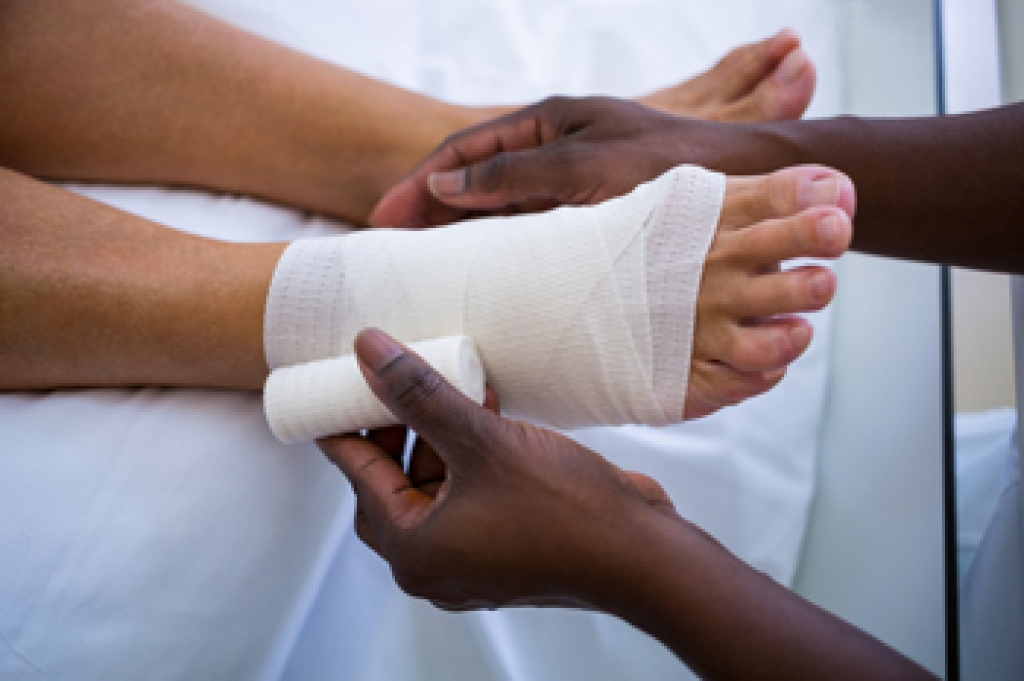
Read more about Wound Care

When Narrow Shoes Lead to Foot Pain

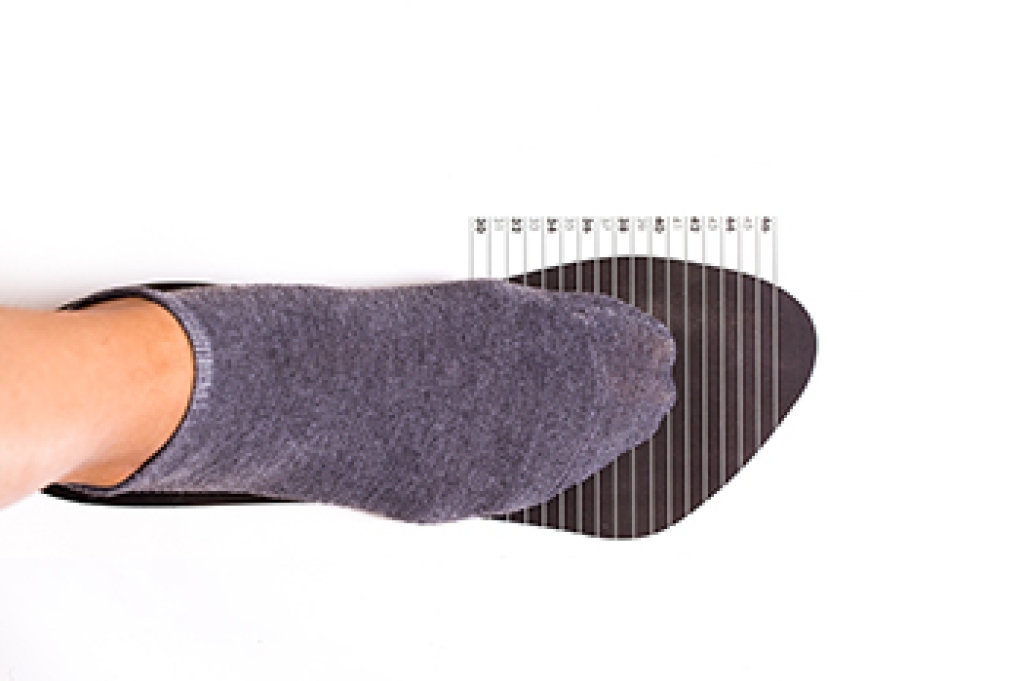
Proper shoe fitting is essential for maintaining foot health, especially when shoes are too narrow and place excess pressure on the toes and forefoot. Tight footwear can compress the toes, leading to irritation and redness. It also can contribute to formation of bunions or nerve pain like Morton's neuroma. The foot may develop overlapping toes or areas of thickened skin where friction occurs. Discomfort may worsen throughout the day and make walking or standing difficult. Causes include choosing fashion over fit, changes in foot shape, or not accounting for natural swelling. A podiatrist can assess foot size, shape, and gait to recommend properly fitting footwear and supportive options. Treatment may also include padding, orthotics, and guidance on selecting shoes with adequate width, depth, and cushioning. Choosing the correct shoe size and avoiding narrow styles can reduce pressure and prevent long-term problems. If you have foot pain related to shoe fit, it is suggested that you make an appointment with a podiatrist.

Getting the right shoe size is an important part of proper foot health. Seek the assistance of Pauline Fu, DPM from New York, NY. Our doctors will provide the care you need to keep you pain-free and on your feet.

Getting the Right Shoe Size

There are many people who wear shoes that are the incorrect size, negatively affecting their feet and posture. Selecting the right shoes is not a difficult process, so long as you keep several things in mind when it comes to choosing the right pair.

  • When visiting the shoe store, use the tools available to measure your foot.
  • Be sure there is ‘wiggle room’. There should be about an inch between your toes and the tip of your shoes.
  • Do not always assume you are the same size, as manufacturers run differently.
  • Purchase shoes later in the day, as your feet swell as the day progresses.
  • If a shoe is not comfortable, it is not suitable. Most shoes can’t be ‘broken in’, and comfort should be the ultimate goal when it comes to choosing the right pair of shoes

As our feet hold our body weight and keep us moving, it is important to treat them right. Picking the right pair of shoes can provide your feet comfort and mobility without pain.

If you have any questions, please feel free to contact our office located in New York, NY . We offer the newest diagnostic and treatment technologies for all your foot care needs.

Read more about Getting the Right Shoe Size: To Keep Your Feet Happy

Heel Pain Can Be Treated!

Do you suffer from heel pain when you get up in the morning? If so, you should seek professional help and have a proper diagnosis performed. Heel pain can be caused by several different foot-related conditions.